He kept a diary describing exactly how he manipulated his victim into a windowless basement room. Investigators found it sitting right there in the house.
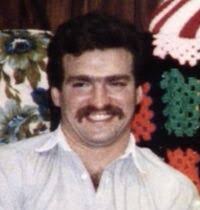
Timothy "Tim" Good, a 37-year-old dairy farmer, was murdered by a man he'd trusted and taken into his home. His remains were found in November 1994, and the case was eventually solved through a tip from a television viewer.
A Farmer Who Took People In
Tim Good owned and operated a 350-acre dairy farm in Collinsville, Pennsylvania. One of his employees was a teenager named Gene Kennedy, who came from a difficult home; Tim gave him work, housing, and informal guardianship, teaching him to run the farm. In 1987, Tim hired a self-styled preacher who went by "Ben" Freeman. Within months, Freeman and his wife, Eliza, had moved into the main house alongside Tim and Gene.
Growing Influence
Tim was estranged from his own family and, according to Gene, came to see Freeman as a source of spiritual guidance, someone educated and steady who wouldn't turn him away the way others had. Freeman leaned into that trust, preaching to Tim daily and presenting himself as someone with special religious insight. Over time, Freeman began acting as though he owned the property. Gene later described being locked out of the main house and, on one occasion, physically confronted by Freeman when he tried to enter; Tim intervened, reminding Freeman that Gene lived there too.
A Farm Sold, A Move Made
About a year after Freeman's arrival, Tim stopped dairy farming entirely and sold the property for roughly $1 million, moving to a smaller farm in Folsom, West Virginia. Gene chose to stay in Pennsylvania. Freeman and his family moved with Tim to the new farm, where Freeman began going by "Dave" instead. Neighbors soon got the impression the roles had reversed entirely — that Freeman was the one in charge, and Tim was working for him.
A Prisoner in His Own Home
Investigators later determined that Freeman had exploited Tim's religious devotion to isolate and control him, eventually confining him to a small, dilapidated basement room while Freeman's family lived upstairs in a residence outfitted with a hot tub, several large-screen televisions, and expensive furnishings, all paid for from Tim's remaining money. Neighbors noticed Tim appearing outside less and less over the following months.
Disappearance and Discovery
In October 1994, a neighbor spotted a taxi attempting to reach the farmhouse carrying Freeman and his family; a fallen tree blocked the road. When neighbors asked Freeman where Tim was, he claimed not to know. Another neighbor later gave the Freeman family a ride toward Washington, D.C., dropping them at a service station — the last confirmed sighting of them. Weeks later, an intruder broke into the house, found Tim's decomposed remains in the basement, and contacted police. Investigators arrived on November 14, 1994, and determined Tim had been beaten and strangled roughly a year earlier. Sealed air vents in the house indicated Freeman's family had continued living upstairs for months after the murder, apparently to avoid the smell reaching them.
The Diaries
Police recovered volumes of diaries Freeman had left behind, describing in his own words how he had manipulated Tim, controlled his schedule and living conditions, and confined him to the basement. Investigators believe Freeman may have returned to the property in October 1994 specifically trying to retrieve those diaries before neighbors interrupted him.
A Case Cracked by a Tip
The case was featured on "Unsolved Mysteries" in May 1996. A viewer called in identifying "Dave Freeman" as William David Cooper, an auto mechanic who had used numerous aliases over the years. On February 15, 1996, he was formally charged with Tim's murder. Investigators have also suspected Cooper may have been responsible for additional deaths, including possibly two of his own children from a previous marriage, though these suspicions were never formally prosecuted as part of the Tim Good case.
Frequently Asked Questions
Was Tim Good's murder ever solved?
Yes. A tip from a television viewer identified the killer, who had used the alias "Dave Freeman," as William David Cooper, who was formally charged with the murder in 1996.
How long was Tim Good's body in the house before it was found?
Roughly a year. Investigators believe Cooper's family continued living upstairs for months after the murder while Tim's remains were in the basement.
What led investigators to understand how Cooper controlled Tim?
Diaries Cooper left behind in the house described, in his own words, how he manipulated Tim's trust and confined him to a basement room.