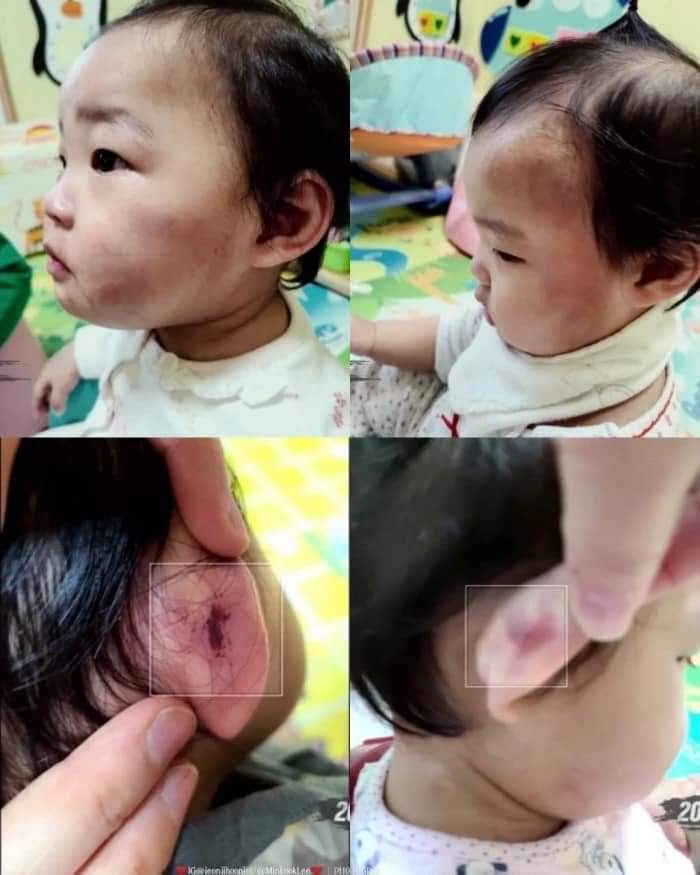
Three separate reports of abuse were made before she died. All three were closed without action.
Jeong-in, a 16-month-old girl in Seoul, South Korea, died on October 13, 2020, after months of sustained abuse by her adoptive mother. Her case became a national reckoning over failures in South Korea's child protection system, ultimately leading to legislative reform.
A Difficult Start, and a New Family
Jeong-in was born in June 2019 and given up by her birth mother to a church when she was 8 days old. She spent her first 8 months in foster care, where she was described as a happy, easygoing baby. In February 2020, she was adopted by Jang Ha-young and her husband, Ahn Sung-eun, a couple who already had a young daughter.
A Pattern That Went Unaddressed
In the months following her adoption, Jeong-in suffered sustained physical abuse and severe neglect at the hands of her adoptive mother, documented later through medical examinations, witness accounts, and security footage. Daycare staff, a family friend, and a treating pediatrician each separately raised concerns to police over several months in 2020, reporting visible injuries, an incident of the child being left alone in a hot car, and signs consistent with malnutrition and abuse. In each case, police investigated and closed the matter without taking action to separate Jeong-in from her adoptive parents, and the adoption agency's own follow-up efforts also failed to intervene effectively.
Her Final Days
By early October 2020, Jeong-in's condition had deteriorated severely; daycare staff and her adoptive father both noted she could no longer eat, drink, or stand normally. She was not taken to a hospital until the morning of October 13, when she was brought in by taxi in critical condition and died shortly after. An autopsy found she had suffered severe abdominal trauma and internal injuries consistent with a substantial external impact, on top of multiple healed and partially healed fractures indicating abuse over an extended period.
Trial and Sentencing
Jang Ha-young was charged with murder and child abuse; prosecutors sought the death penalty. In May 2021, a Seoul court convicted her and sentenced her to life imprisonment. Ahn Sung-eun was convicted of neglect for failing to act despite being aware of the abuse and was sentenced to five years. On appeal in November 2021, the Seoul High Court reduced Jang's sentence to 35 years, citing insufficient grounds for a permanent life sentence, while upholding Ahn's five-year term; the appellate court also found Ahn not guilty of directly participating in the abuse itself, holding him responsible only for failing to intervene.
A Case That Sparked National Reform
Public reporting on the case, including a January 2021 investigative television broadcast, triggered widespread public outrage across South Korea, including a viral #SorryJeongin social media movement and public memorials at her gravesite. In response, South Korea's National Police Agency commissioner issued a formal public apology for the department's failure to act on the three prior reports, and disciplinary action was taken against officers involved.
The case directly led to the passage of what became known as the Jeong-in Act, which increased minimum sentencing for fatal child abuse cases from the previous five-years-to-life range to seven years to life, with the death penalty available as an option, and introduced policy changes requiring more assertive separation of children from caregivers after repeated abuse reports.
Frequently Asked Questions
Was anyone held responsible for Jeong-in's death?
Yes. Her adoptive mother was convicted of murder and child abuse and sentenced to 35 years in prison on appeal (reduced from an initial life sentence). Her adoptive father was convicted of neglect and sentenced to five years.
Could Jeong-in's death have been prevented?
Three separate reports of suspected abuse were made to police in the months before her death, none of which led to her removal from the home — a failure that became central to the public outrage and legal reforms that followed.
What is the Jeong-in Act?
Legislation passed in South Korea following her case that increased minimum sentences for fatal child abuse and introduced stronger intervention requirements after repeated abuse reports.
Is Jeong-in's case still relevant today?
Yes. It remains a widely referenced case in ongoing discussions of child welfare policy and adoption oversight in South Korea.