Two mental health experts, one hired by each side, reached the same conclusion. That agreement is the reason this case never went to trial.
Austin Harrouff killed John Stevens, 59, and his wife, Michelle Mishcon Stevens, 53, in their Florida garage in August 2016. In 2022, he was found not guilty by reason of insanity and committed to a secure mental health facility rather than prison.
The Attack
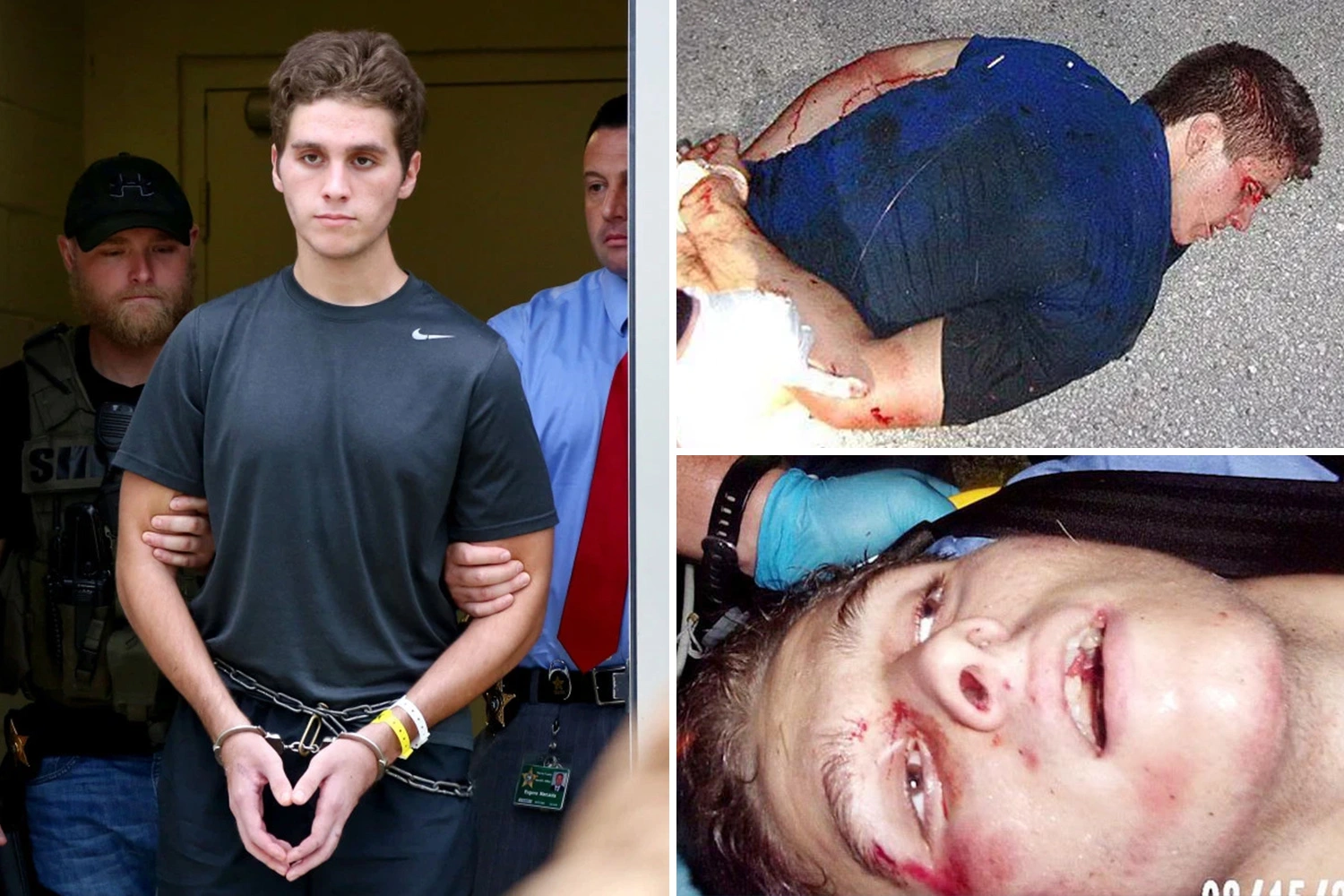
Harrouff, then 19 and a student at Florida State University, had reportedly stormed out of a restaurant following an argument with his father the night of the killings. He later told investigators he remembered little of what followed beyond hearing voices and losing his sense of control. When deputies arrived at the scene, they found Harrouff on top of Stevens; it took multiple officers, a stun gun, and a police dog to pull him away. Harrouff also seriously injured a neighbor who had come to help the couple.
No Drugs Found
Investigators tested Harrouff for illicit drugs and found none in his system at the time of the attack, despite a documented history of drug and alcohol use in the year beforehand. This detail became central to the case: without intoxication to explain his behavior, mental health evaluators pointed toward an acute psychotic episode instead.
Years of Delay
The case took six years to resolve, slowed by the pandemic, extensive legal proceedings, and Harrouff's own recovery from injuries sustained during the attack. Defendants in Florida are legally presumed sane, meaning Harrouff's defense had to prove, with clear and convincing evidence, that he'd suffered a severe mental breakdown preventing him from understanding his actions were wrong.
The 2022 Outcome
In November 2022, on the day his trial was set to begin, Harrouff pleaded not guilty by reason of insanity. Two mental health experts — one hired by the defense, one by the state — had independently concluded he experienced a psychotic episode connected to bipolar disorder during the attack, and lacked the capacity to distinguish right from wrong at the time. The judge accepted the plea and ordered Harrouff committed to a secure mental health facility under Florida's Department of Children and Families, with release only possible by future court order.
The Families' Response
Relatives of both victims strongly objected to the outcome in court, delivering victim impact statements that rejected the insanity finding and expressed anger that the case had ended without a trial. Michelle's brother said publicly that he believed Harrouff would likely be released within a matter of months rather than years, a concern shared by several other family members who felt the legal process had prioritized Harrouff's mental state over the deaths of Stevens and Mishcon.
A Push for Legal Change
Following the verdict, the assistant state attorney who prosecuted the case said he intended to push state lawmakers to consider adopting a "guilty but insane" verdict option, which some other states allow, arguing Florida's binary standard didn't adequately address cases like Harrouff's.
Frequently Asked Questions
Is Austin Harrouff in prison?
No. He was found not guilty by reason of insanity in 2022 and committed to a secure mental health facility rather than prison.
Could he ever be released?
Only by court order, once doctors and a judge determine he's no longer a danger to himself or others. There's no fixed release date.
Were drugs involved in the attack?
No illicit drugs were found in his system at the time; mental health evaluators attributed his behavior to a psychotic episode connected to bipolar disorder rather than intoxication.